Chinese lucky charms are not decorations — every item in this list is a coded object with a specific placement rule, a specific elemental purpose, and a specific kind of luck it attracts. The money frog, for example, only works if it faces inward; the Pi Yao only works if you touch it daily; the lucky coins only work if the ribbon is red. Below is the Malaysian family’s working list of 15 charms — researched from Feng Shui Mall, WOFS, Teng Shop, Borgata’s cultural guide and corroborated with Malaysian Feng Shui practitioners.
Read the “best for” line of each charm. Pick three that match your goal: one for the wealth corner of your home (see our Feng Shui Wealth guide), one for your wallet or person, and one for your workplace. That is almost always enough.
The 15 charms
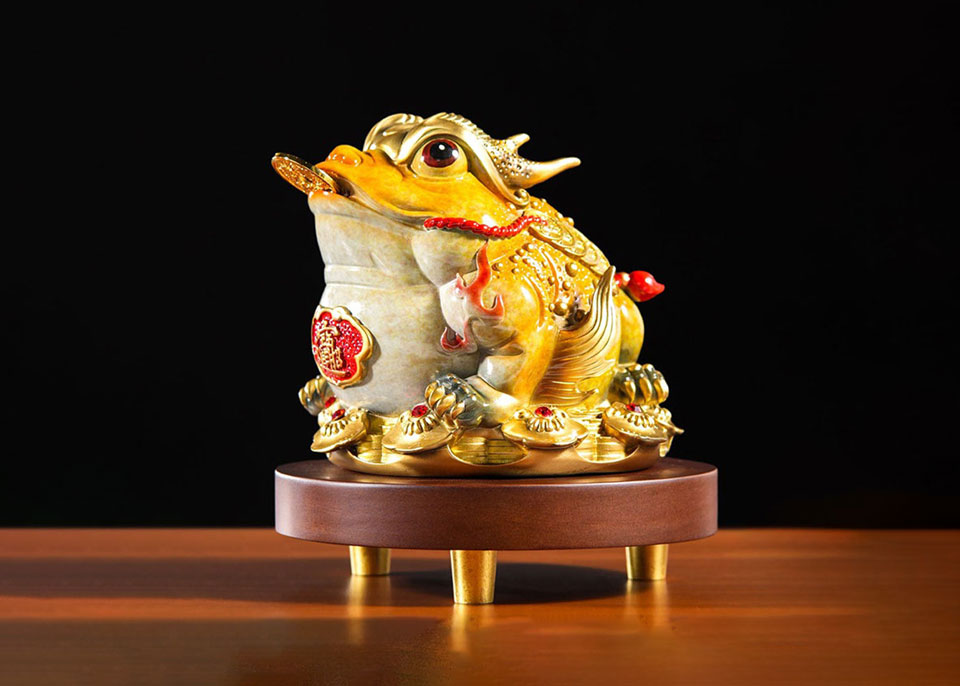
Jin Chan · the Three-Legged Money Frog
Origin: A Daoist folk tale tells of a greedy wife of one of the Eight Immortals who was transformed into a three-legged toad as punishment. To atone, she now spits out coins for the poor.
What it does: Guards existing wealth and pulls in windfall luck — particularly unexpected money from gambling, gifts or commissions.
How to place: Near your front door, on a low table inside the home, facing inward. Never facing a door or window. For businesses, place near the cash register, facing the till.
Best for: Home wealth corner, business owners, gamblers, anyone seeking windfall income.
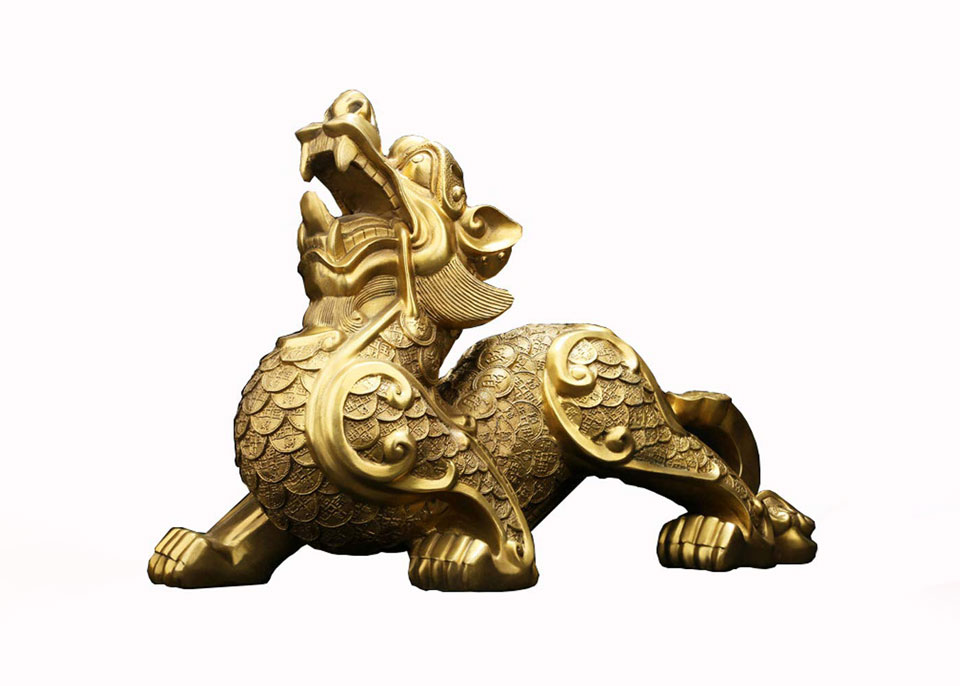
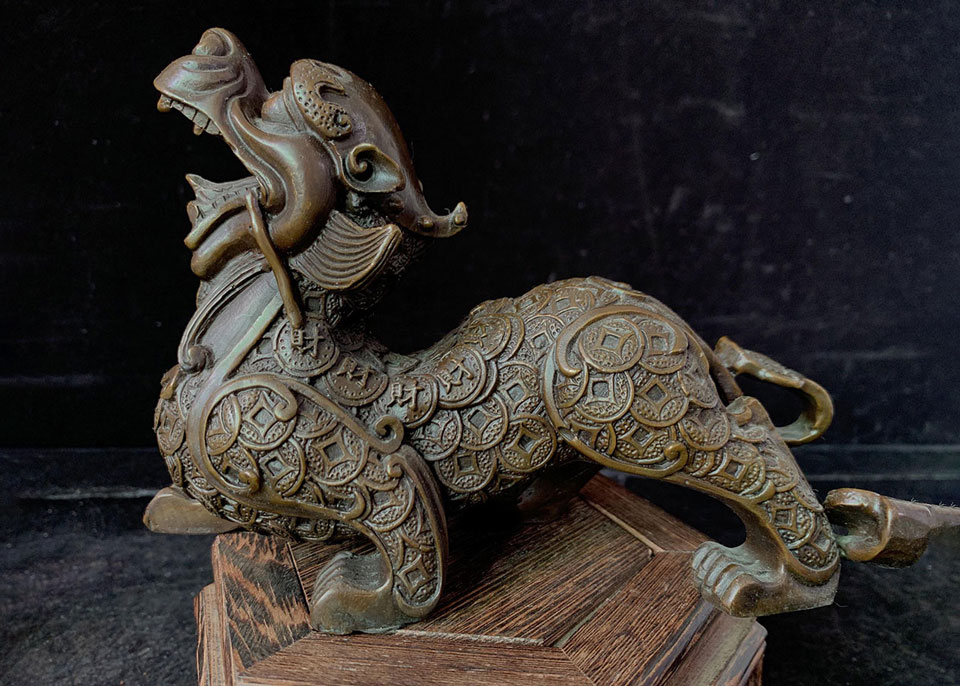
Pi Yao (Pixiu) · the Heavenly Wealth Beast
Origin: A winged lion-like creature in Chinese mythology, said to feed exclusively on gold, silver and treasures — and to have no anus, meaning wealth enters but can never leave.
What it does: The favourite charm of gamblers, business owners and anyone who wants to plug financial leaks. Also believed to pacify the Tai Sui (Grand Duke Jupiter) each year.
How to wear: As a bracelet on your left hand (the receiving side). Touch it daily so it knows you are its master. Remove it before bathing.
Best for: Gamblers, salespeople, those prone to overspending, anyone born in a Tai Sui-clashing year.
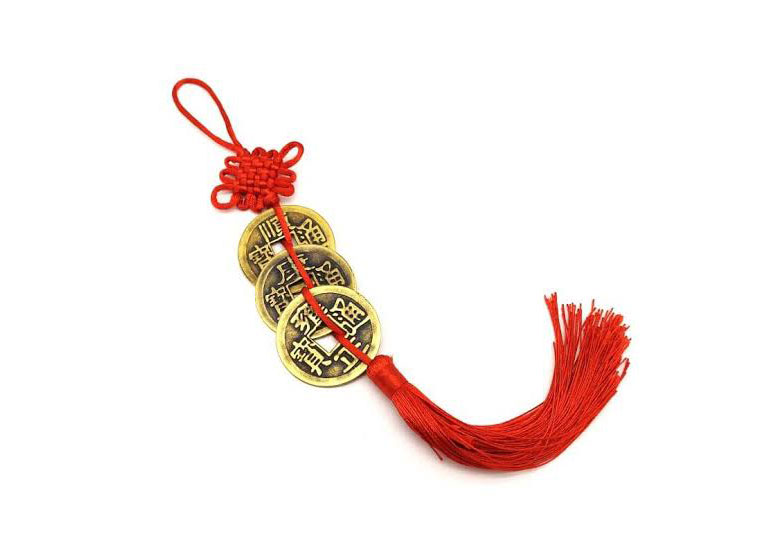
Three Chinese Coins on Red String
Origin: The I-Ching coins of the Qing dynasty, with a round body (heaven) and square hole (earth). The number three represents heaven, earth and mankind in trinity.
What it does: Activates money chi in whatever object or location it touches. The red string adds Fire energy, which activates the metal coins.
How to use: Place inside your wallet (in the section where you keep banknotes), tape inside a cash register, stick on the inside of your front door, or hang over the door of your office or shop. Coins should face yang-side (the side with four characters) up.
Best for: Wallets, cash registers, doors — the cheapest and most versatile charm on this list.
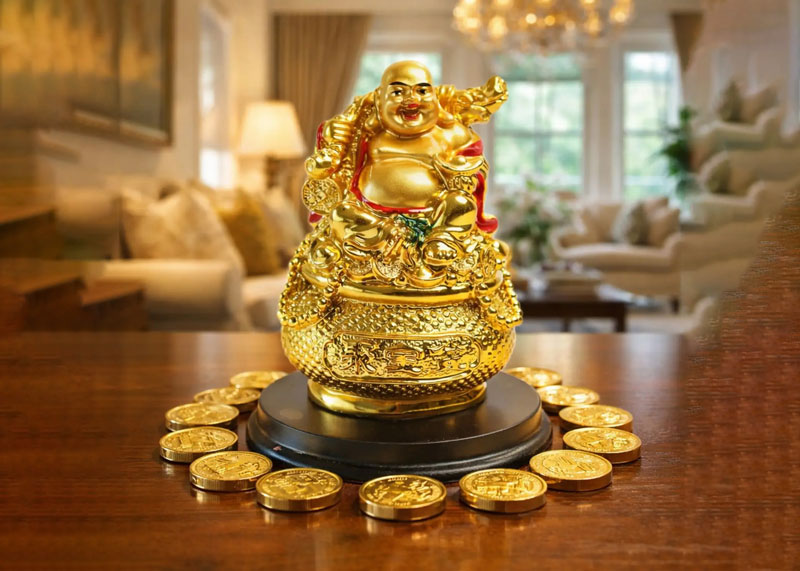
The Laughing Buddha (Budai)
Origin: Based on a 10th-century Chinese monk named Budai, eccentric and always smiling, later regarded as an incarnation of Maitreya (the future Buddha).
What it does: Symbolises contentment, abundance, family harmony and fertility. The bulging sack represents the universe’s wealth; the smile dissolves obstacles and bad moods that block money chi.
How to place: Anywhere in the home except the bedroom, bathroom or kitchen. Most Malaysian families place a 6-inch statue on a console table in the living room, ideally facing the main door to welcome guests and prosperity.
Best for: Living room, business reception, anywhere you want a steady yang energy.
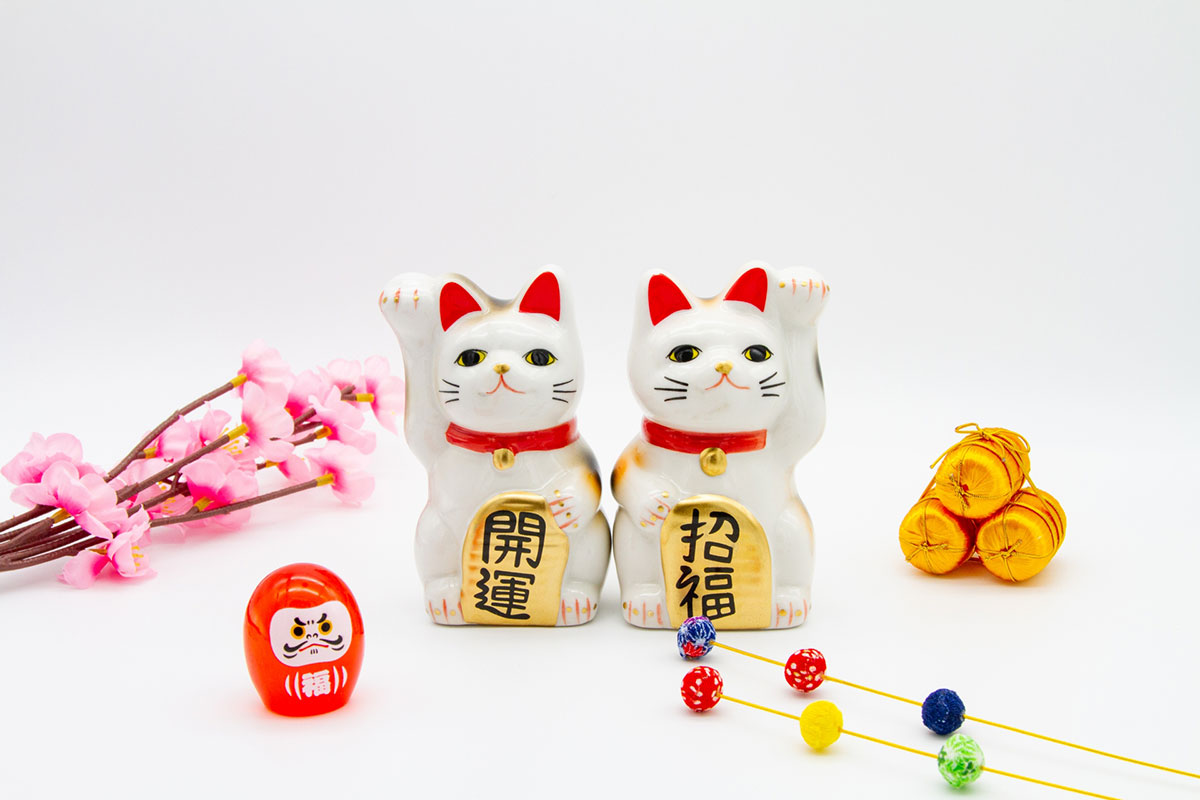
Maneki Neko · the Beckoning Lucky Cat
Origin: A Japanese Edo-period folk tale in which a temple cat raised its paw to summon a passing lord away from a lightning-struck tree. The lord became the temple’s patron and the cat became a symbol of welcome fortune. Widely adopted across Chinese Malaysian businesses.
What it does: Attracts customers, opportunities and unexpected income. Left paw raised invites customers; right paw raised invites money and protection of existing wealth.
How to place: At a business reception, near the cash register, or in the wealth corner of your home office. The cat should face the entrance.
Best for: Shop owners, freelancers, home-office wealth corners.
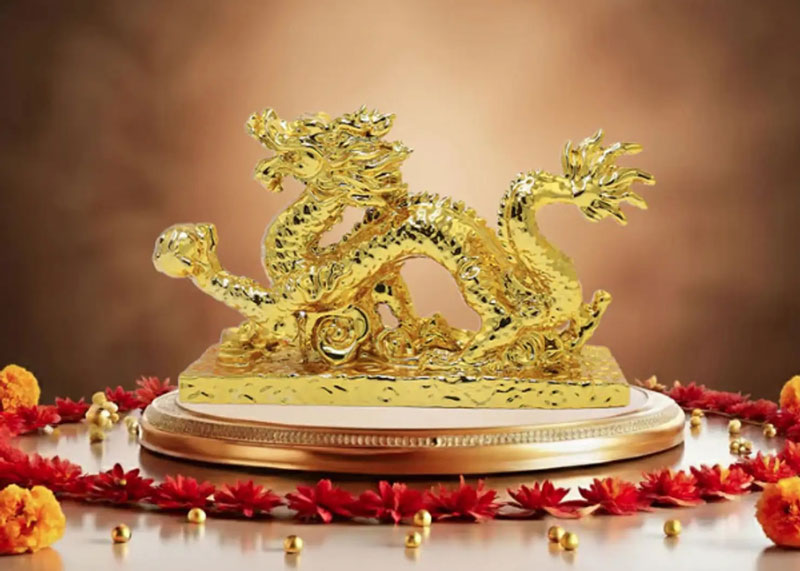
The Chinese Dragon (龙 Lóng)
Origin: The most powerful symbol in Chinese culture — unlike Western dragons, the Chinese dragon is benevolent, associated with rain, rivers, emperors and good fortune.
What it does: Invites yang energy, authority, career advancement and protective luck. A dragon paired with a phoenix symbolises marital harmony; a dragon chasing a flaming pearl symbolises the pursuit of wisdom and wealth.
How to place: On the East side of your living room or office. Never in the bedroom (dragon energy is too active for sleep). Pair with a phoenix or a tortoise for combined effect.
Best for: Career advancement, business authority, family protection.
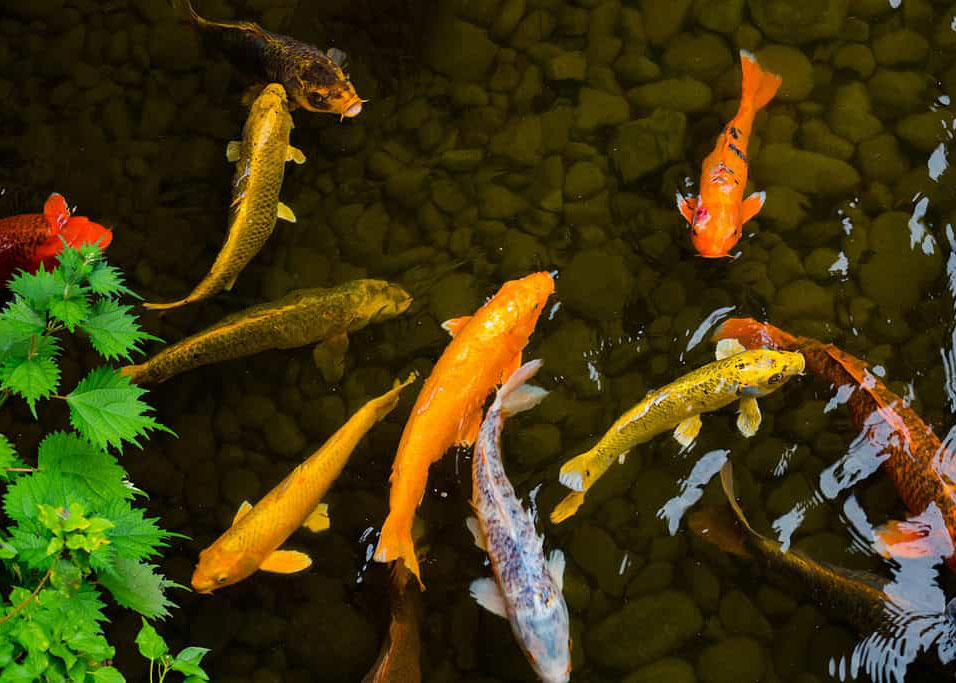
Koi Fish (锦鲤) · the Carp of Perseverance
Origin: A Chinese legend tells of a koi that swam upstream against the Yellow River current and leapt over the Dragon Gate waterfall, transforming into a dragon. Symbol of perseverance rewarded.
What it does: Eight koi in a pond are said to activate wealth luck; nine (eight gold and one black) is the classical prosperity combination. Black absorbs negative chi; gold attracts money.
How to place: A live koi pond in the Southeast or East of your garden; if that’s impossible, a koi painting in the Southeast living room. Arowana are a Malaysian luxury alternative.
Best for: Long-term wealth, family perseverance, garden Feng Shui.
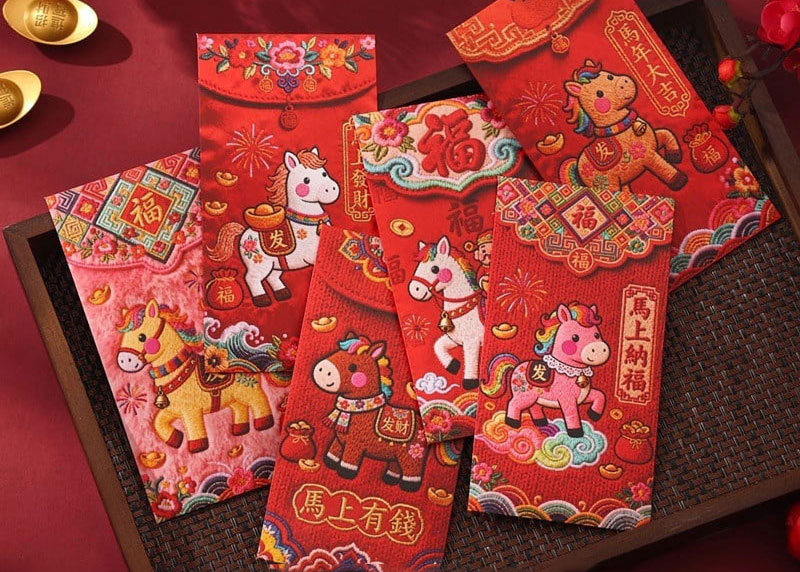
Hongbao · the Red Envelope
Origin: According to legend, the red envelope represents the Eight Immortals disguised as coins who protected a child from the demon Sui. Today it is the universal Chinese symbol of transferred luck.
What it does: Red envelopes turn cash into a luck-bearing object. Money given in a hongbao carries yang energy; money received in one carries the giver’s blessing.
How to use: Always give and receive with both hands. Never seal with tape — the luck needs to “breathe”. After Chinese New Year, keep one empty hongbao with a small amount of cash inside your wallet year-round as a permanent wealth charm.
Best for: Cash gifts, year-round wallet charm.
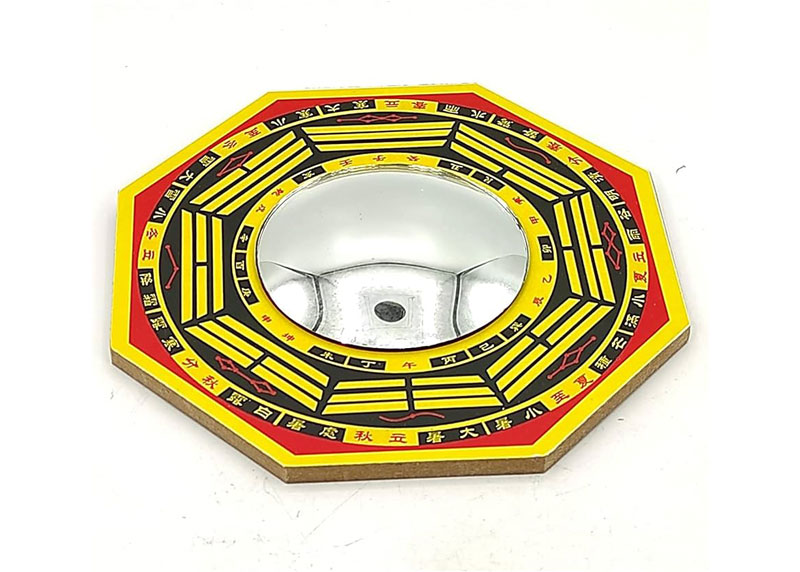
The Bagua Mirror (八卦镜)
Origin: An octagonal frame holding the eight trigrams of the I-Ching around a central mirror. Used for at least 1,500 years in Chinese protective Feng Shui.
What it does: Reflects sha qi (poison arrows) — negative energy from sharp corners, lamp posts, cemeteries, or oppressive buildings facing your home — back to its source.
How to place: Always outside, above your front door, facing the source of negative energy. Never place a bagua mirror indoors, and never face it toward a neighbour’s door — it is considered aggressive Feng Shui.
Best for: External protection only; apartment dwellers facing a sharp-cornered building across the street.
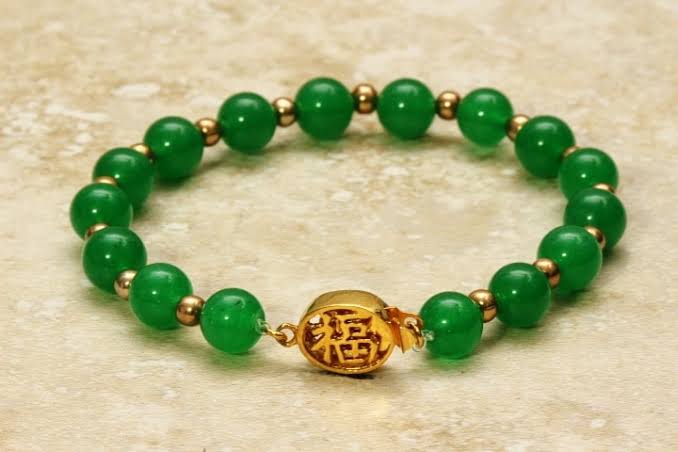
Jade (玉) · the Stone of Heaven
Origin: Treasured in China for over 7,000 years. Confucius compared jade to eleven virtues, including benevolence, wisdom and courage. Malaysian Chinese families still pass jade bangles from mother to daughter.
What it does: Carries Wood and Earth energy simultaneously. Said to absorb negative chi directed at the wearer, support kidney and heart health, and protect against sudden misfortune. Many believe that if jade breaks while worn, it has “taken a hit” meant for the wearer.
How to wear: On the left wrist (the receiving side). A jade bangle, once put on, should ideally not be removed — the difficulty of getting it off is part of the protective symbolism.
Best for: Daily personal protection, gamblers, health support, heirloom gifts.
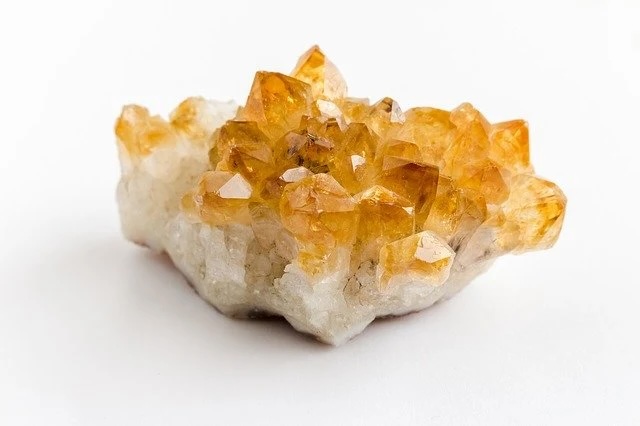
Citrine (黄水晶) · the Merchant’s Stone
Origin: A yellow-to-amber variety of quartz, named from the French word for lemon. Adopted into Chinese Feng Shui in the late 20th century as the “wealth crystal”.
What it does: Said to attract commercial success, increase cash flow, and never need energetic cleansing because it does not absorb negative energy — it transmutes it. The classic “citrine tree” (a small tree made of citrine chips on wire branches) is a Feng Shui shop staple.
How to place: In the Southeast wealth corner, on your office desk, or in the “cash box” of your business. A citrine tree with 21 chips is the classical prosperity cure.
Best for: Business owners, the Southeast wealth corner, salespeople.
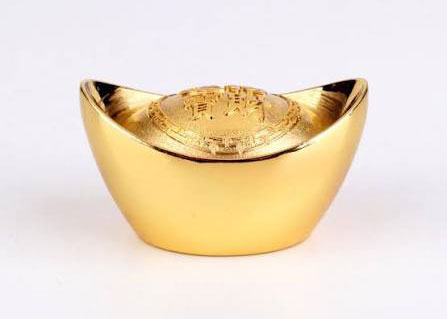
Gold Ingot (元宝 Yuánbǎo)
Origin: The shape of the gold ingot used in imperial China as currency from the Tang to Qing dynasties. The boat-like curved shape was designed to be stacked and counted.
What it does: Pure symbol of accumulated wealth. Three ingots together represent heaven, earth and mankind; nine ingots in a bowl represent “forever wealth”.
How to place: Place three gold ingots in a brass or ceramic bowl in your Southeast wealth corner. Place one inside your safe or cash box. Place a small ingot in your wallet next to your highest-denomination note.
Best for: The wealth corner, safes, wallets — a low-cost but powerful cure.
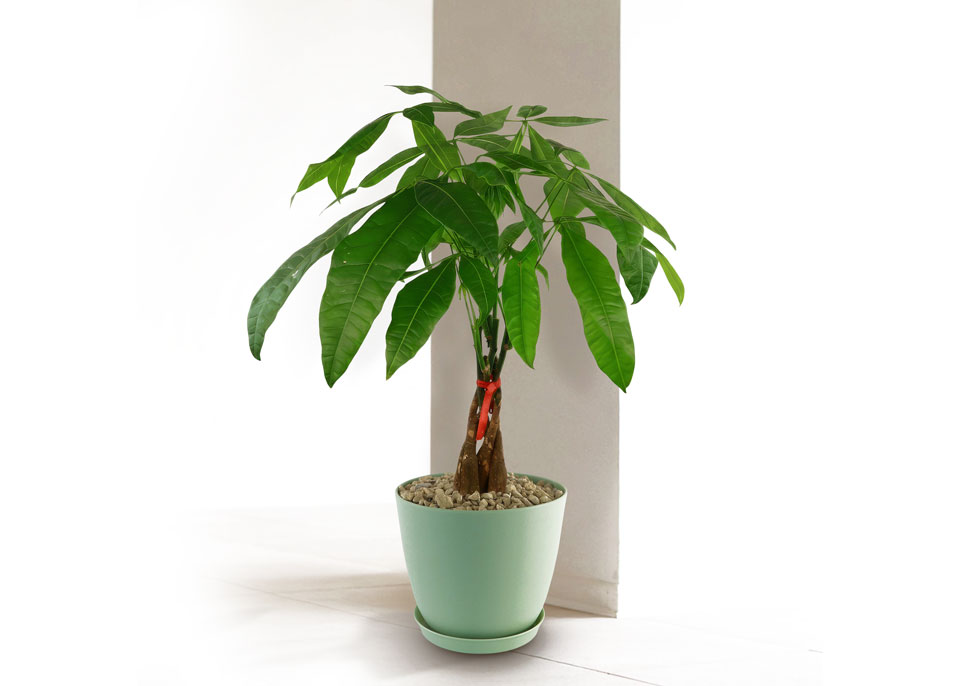
Pachira · the Money Tree
Origin: A tropical wetland tree native to Central and South America. Brought to East Asia in the 1980s and quickly adopted as the “money tree” because of its hand-shaped leaves and braided trunk.
What it does: Provides living Wood element energy to activate the Southeast wealth sector. The braided trunk “locks in” prosperity; the five-lobed leaves represent the five elements.
How to place: In the Southeast corner of your living room. Water weekly (do not over-water). Keep leaves dust-free — wipe with a damp cloth monthly. If leaves yellow, remove immediately and check watering.
Best for: Anyone setting up a wealth corner for the first time — the easiest, lowest-maintenance cure on this list.
Dzi Beads (天珠) · Pearl of Heaven
Origin: Agate beads with etched patterns, originating in Tibet over 2,000 years ago. The word “Dzi” means “shine, brilliance”. Now widely worn across Malaysian Chinese communities as a powerful all-purpose protective charm.
What it does: Repels negative energy, stores positive energy, and is said to bless the wearer with health, wealth and protection. Different patterns carry different powers — the “3-eye” Dzi attracts wealth; the “9-eye” invites authority.
How to wear: As a bracelet on the left wrist, often paired with Pi Yao. Re-energise under moonlight monthly.
Best for: Gamblers, business people, anyone navigating a difficult year.
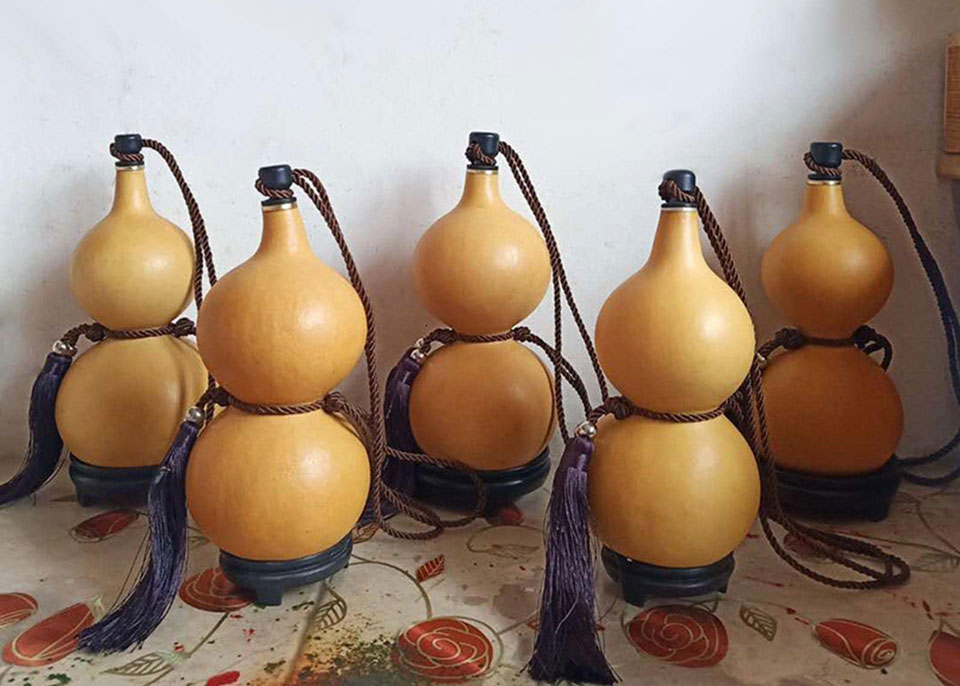
Wu Lou (葫芦) · the Magic Gourd
Origin: The dried gourd (calabash) was used by Daoist immortals to carry elixirs of immortality. Its narrow waist is said to trap negative energy in the lower bulb before it can spread.
What it does: Primarily a health charm, but the “health-wealth combination” is foundational in Feng Shui — without health, wealth is meaningless. Wu Lou absorbs sickness chi and protects the household from illness that could drain finances.
How to place: On the bedside table of each family member (one per person), or beside the bed of an elderly parent. Brass Wu Lou are stronger than natural dried gourds for serious illness protection.
Best for: Bedrooms, health protection, elderly family members.
Three starter charm combinations
Don’t buy all fifteen. Pick a goal, buy three charms that work together.
For the home wealth corner
- Pachira money tree (Wood element)
- Three-coin bowl in clean water (Water element)
- Three gold ingots in a brass bowl (Metal element)
Total cost in Malaysia: ~RM90
For the gambler’s wallet
- Three I-Ching coins on red string
- One small jade pendant
- One gold ingot next to your highest note
Total cost in Malaysia: ~RM120
Now that your charms are placed, learn the 10 gambling superstitions that Malaysian Chinese players observe at the table, the slot machine and the 4D outlet. See our Gambling Luck guide.